

The Journeys of Migratory Birds
Updated: Oct 25, 2025
World Migratory Bird Day is celebrated on the second Saturday of May and October. Bird Migrations are some of the grandest spectacles in all of nature. Billions of birds migrate each year to escape harsh winters.
One of these birds is the Demoiselle crane, native to Asia. Every year, millions of these birds migrate from Central Asia into the Indian Subcontinent. In the village of Kichan in Rajasthan, this migration becomes an annual feast. Villagers have built the Pakshi Chugga Ghar (Bird Feeding House) to provide food for the birds. The first year after the practice began, Kichan saw just 15 Cranes. However, this quickly increased as the birds found the food source.

This is a shining example of how Humans are assisting migratory birds on their arduous journeys. However, not all birds have such luck. Urbanization has caused rapid habitat destruction. Particularly among species like Barn Owls, this leads to more forced contact with the human world.
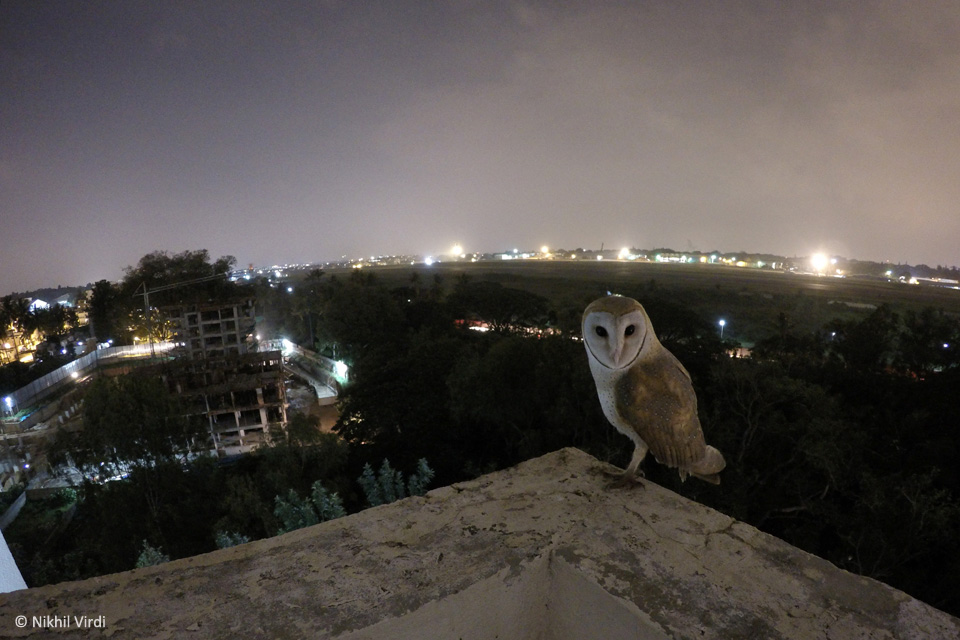
This year's theme for World Migratory Bird Day is "Shared Spaces". As various migratory and non-migratory bird species are forced ever closer into human spaces, it is essential to share our space with them.
The Barn Owl in this picture by Nikhil Virdi, a wildlife enthusiast and photographer associated with Nat Geo and BBC Wild documentaries, is the reason I met him. He also introduced me to migratory birds through the documentary on Kichan, which is the first documentary on migratory birds I have seen, as far as I can remember. Their story fascinated me.
Bird migrations happen across the world, including our very own Texas. Texas is a perfect pit stop for migratory birds because of its size and variety of landscapes. From Gulf Coast marshes to Hill Country rivers and Panhandle grasslands, there’s food, water, and resting space for every traveler. The Gulf of Mexico also plays a significant role: many birds make an exhausting overnight flight across open water, landing in Texas in urgent need of fuel. One of the biggest challenges for these migratory birds is light pollution, which can confuse birds flying at night. Thankfully, Texas has a strong conservation culture. Wildlife refuges protect critical habitats. ‘Lights out Texas’ campaigns encourage cities to dim their skylines during peak migrations.
My favorite local refuge near Dallas is the Hagerman National Wildlife Refuge, a mosaic of open fields, shimmering wetlands, and quiet woodlands. This sanctuary serves as a stopover and wintering ground for several migratory birds, including Snow Geese, Mallards, Northern Pintails, and other ducks. In December and January, the air comes alive with the honking calls and swirling formations of thousands of Snow Geese, creating a breathtaking spectacle as they sweep across the sky and settle on the refuge’s glistening waters. The sight of these elegant flocks descending against the crisp winter landscape is unforgettable and draws visitors and bird enthusiasts from miles around.

A fascinating story of migratory birds and shared spaces
Barn Owl in the city - Lets share our space - the story of Barn Owls at my home in India
BirdCast - Want to know how many birds crossed the skies above you each day? Check this out.


Comments